
The Reshaping of
Contemporary Art Sales:
A Market in Transition
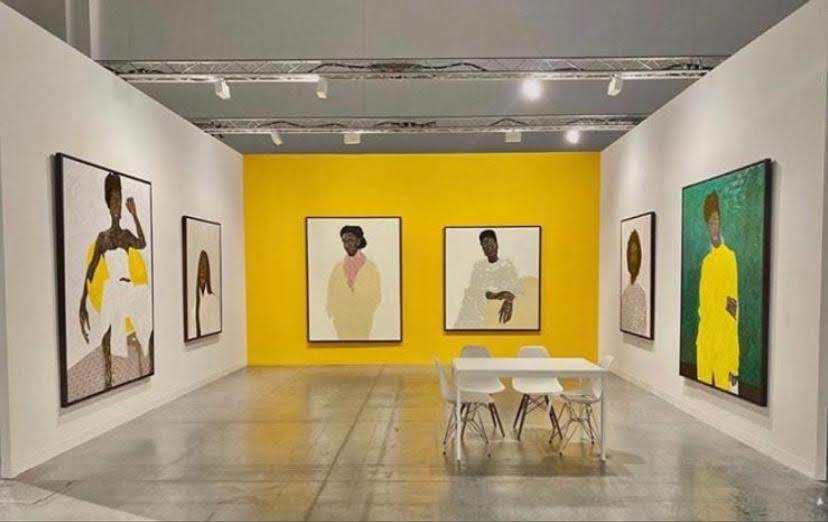
Art Basel Miami – © Photo: ArtPremium
The contemporary art market is going through its biggest contraction in living memory. Since 2022, gallery closures have accelerated and sales have plunged. Insiders first thought it was a cyclical slowdown. Increasingly, however, it looks like a root-and-branch overhaul of an overgrown ecosystem.
The size of the crisis
The numbers paint a grim picture. Fine-art auction sales reached $4.72 billion in the first half of 2025. That is 8.8 percent less than a year earlier and 40.9 percent less than in the first half of 2022. Yet the long list of gallery closures says even more than these figures. It affects the whole spectrum, from newcomers to established heavyweights such as Blum, Venus Over Manhattan and Kasmin.
The closure of Clearing Gallery reflects the wider crisis. Owner Olivier Babin tried an inventive way around Art Basel by opening a rival space in a villa in Basel. Even so, the gallery could not keep up with monthly costs of $150,000 as sales fell. It closed in August and entered bankruptcy proceedings. Clever cost management, it seems, cannot fix a shrinking market.
Structural overcapacity
Belgian collector Alain Servais says what many in the industry now admit: this is not a cyclical slump but a structural problem that calls for wholesale downsizing. The art market grew rapidly during the pandemic bubble. It built an unsustainable structure, with too many advisers, galleries, artists and fairs competing for a shrinking pool of active buyers.
The figures back him up. Soho Art Materials, which serves many galleries, reports that orders for stretched canvases have fallen from 700 to 1,000 a year in 2020-2022 to about 200 a year today. This 70 to 80 percent drop reflects the steep decline in exhibitions across the gallery sector.
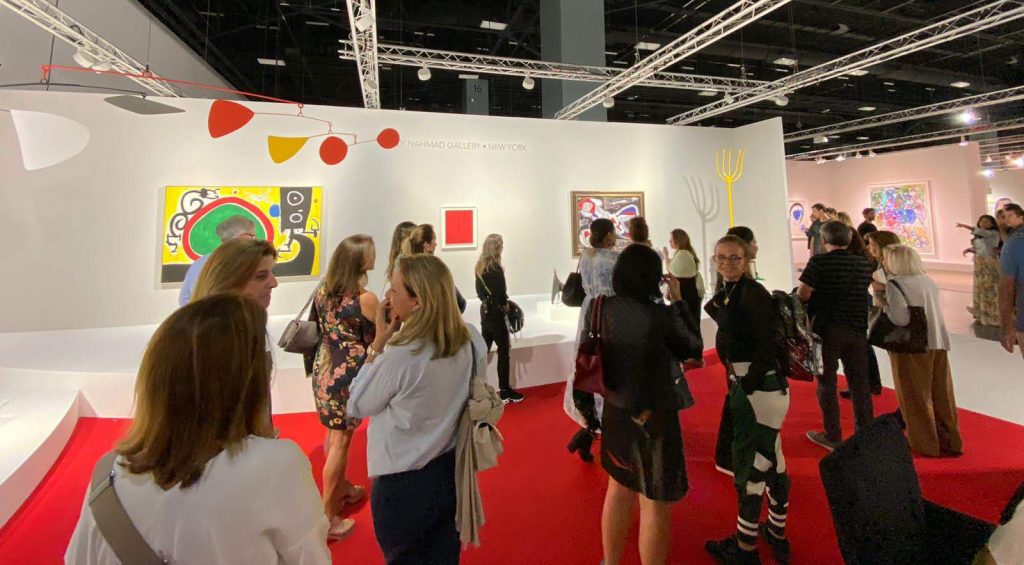
The economics of running a gallery
UK gallery accounts show how thin margins leave businesses exposed when revenue falls. Sadie Coles HQ, a long-established London gallery with nearly 60 artists, saw sales drop from £59 million in 2023 to £28.6 million in 2024. More worrying still, its after-tax profit margin fell from 7.2 percent to 0.7 percent. When revenue declines, fixed costs become an existential threat.
Long-term leases make things worse. Pace Gallery’s 20-year lease costs $8.5 million a year, or $220 million over its full term. It shows how decisions made during the boom now limit flexibility in a downturn.
Changing collector behaviour
Top collectors are buying less, and the effect goes far beyond their own spending. Beth Rudin DeWoody owns a collection of 10,000 works, and her purchases once set the direction of the market. She says she has cut back a lot. When trend-setting collectors step back, the herd mentality that once drove demand for new artists falls apart.
The speculative bubble of the pandemic years has largely burst. The investment-minded buyers who fuelled ultra-contemporary sales have moved to other assets. Galleries are left with primary prices that no longer match secondary market prices. Paintings sold for $500,000 on the primary market now appear at auction for $250,000. This gap in pricing discourages serious buyers.
How galleries are adapting
Successful galleries are using several strategies to cope. Some spread across different locations and cut their overheads. Leo Koenig, for example, runs three sites: a main space on Manhattan’s Upper East Side, seasonal shows in Palm Beach, and a summer gallery in the Catskills. There, costs are lower and the experience adds value for buyers.
Smaller, leaner galleries with low overheads can win market share from established players weighed down by fixed costs. Sebastian Gladstone is a good example. He keeps his overheads low with only two employees while expanding carefully to new locations. These newcomers have lower costs and more flexibility.
Signs of recovery
Even as business declines, pockets of activity suggest the market is settling into a new normal rather than collapsing. Galleries say sales now take much more time and effort. Exhibitions that once sold out now sell about 60 percent of their works. Still, galleries with the right artists at reasonable prices can sell.
Will Cotton’s debut at Templon sold almost everything, at prices from $80,000 to $250,000. It shows there is still a market for quality work at fair prices. Likewise, shows by new artists in popular media such as fibre sculpture still do well when prices are reasonable.
What this means for the future
The current contraction is a necessary correction after several years of unsustainable growth. Clearing out speculative buyers and excess capacity may lay a healthier foundation for future growth. During the transition, however, some galleries will not survive if they cannot adjust their costs or market position quickly enough.
The survivors will likely run on very different business models, which put efficiency before expansion and lasting progress before speculative gains. As Olivier Babin concluded, this shake-out may resemble evolution: when dominant species disappear, more adaptable competitors can emerge and thrive.
The art market’s future will depend on fair prices, lower overheads and restoring collectors’ trust in the intrinsic value of art rather than its speculative potential. The transition is hard for today’s players. In the long run, though, it may create a healthier and more sustainable contemporary art ecosystem.